Middle East Tensions Escalate: A Delicate Balance of Power
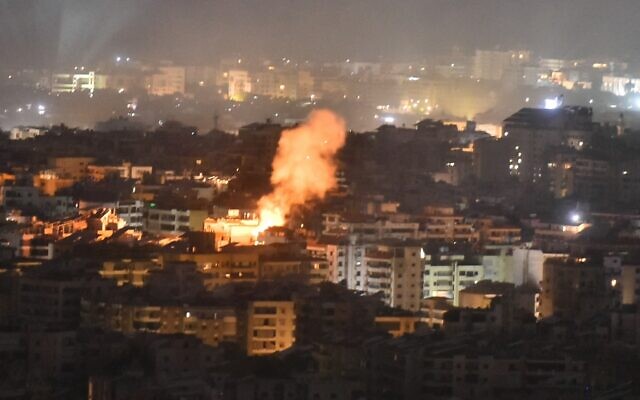
The Middle East conflict has taken a dire turn, with Iran launching retaliatory missile strikes against Israel in response to Israeli airstrikes on Hezbollah’s Lebanon headquarters, killing leader Hassan Nasrallah ¹.
This significant escalatidon has prompted the US to warn Iran against launching ballistic missile attacks on Israel, threatening severe consequences ¹[2]. However, many are questioning why the US isn’t also warning Israel against its indiscriminate bombing of Lebanon.
Conflict Intensifies
Iran’s missile strikes, claimed by the Revolutionary Guard, have led to heightened security measures in Israel, including:
-
Security Measures:
-
Halting flights at Ben Gurion Airport
-
Increased mobilization of military reserves
-
Evacuation warnings for Lebanese border communities ¹
-
-
Defense Systems:
Israel’s defense systems, including the Iron Dome, have intercepted many missiles, but residents remain on high alert ¹[2]
US Involvement
The US has positioned ships and aircraft in the region to assist Israel in the event of an Iranian attack ¹. Defense Secretary Lloyd Austin has ordered the carrier Abraham Lincoln to remain in the region, with additional Air Force fighter jet squadrons deploying to the Middle East [1).
Global Concerns
The international community is worried about the escalating tensions, with fears of a wider regional war growing ¹[2]. The US must balance its support for Israel with pressure to avoid further destabilizing the region.
Key Questions
-
A Balanced Approach: Will the US also warn Israel against its actions in Lebanon?
-
Diplomatic Efforts: Can diplomatic efforts prevent further escalation?
-
Regional Players: What role will other regional players, like Hezbollah, play in the conflict?
As tensions continue to rise, the world watches with bated breath, hoping for a peaceful resolution.
