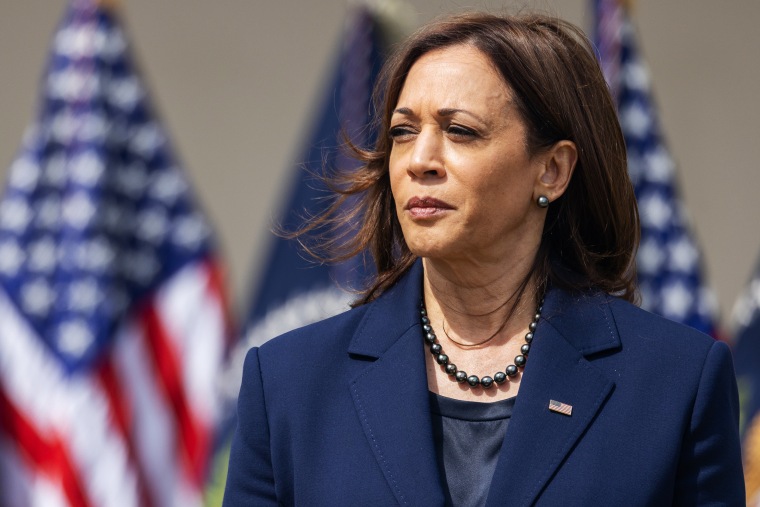
Kamala Harris’s Path to the White House: Policy, Vision, and the 2024 Race
Introduction
As Election Day approaches, the th Vice President Kamala Harris and former President Donald Trump in a close contest, voters across the nation are intensely following each candidate’s campaign messages, rally appearances, and policy promises. Harris’s campaign, centered around themes of economic reform, social justice, and international diplomacy, underscores her vision for “A New Way Forward” for America. In contrast, Trump’s platform revisits the populist themes of his previous campaigns, focusing on nationalism and economic independence. This article provides an in-depth look at Harris’s platform, her chances in key battleground states, and how this election is shaping the future of American politics.
Harris’s Vision and Key Policies
Kamala Harris has built her presidential campaign on a set of progressive values and policy initiatives aimed at strengthening the economy, promoting social justice, and re-establishing the U.S. as a global leader in democratic values. Her platform reflects her experience as a former prosecutor, senator, and vice president, and her vision for addressing the needs of middle- and working-class Americans.
Economic Initiatives and the “Opportunity Economy”
Central to Harris’s platform is the idea of creating an “Opportunity Economy” to address income inequality and improve economic security for Americans. Her economic policies include:
– Job Creation and Tax Reforms: Harris plans to increase tax benefits for middle-class families, aiming to ease financial burdens on everyday Americans while making it easier for first-time homebuyers to afford housing. Her proposal to offer up to $25,000 in down-payment assistance for first-time buyers and increase the startup expense tax deduction from $5,000 to $50,000 shows a commitment to fostering economic opportunities for families and small businesses alike.
– Affordable Housing and Rental Market Reform: With the goal of making housing more affordable, Harris proposes building three million more rental units. This would not only create jobs but also alleviate the housing crisis impacting many urban areas. Affordable housing remains a cornerstone of her “Opportunity Economy,” signaling a potential shift toward progressive housing policies at the federal level.
Healthcare and Prescription Costs
Healthcare has been a major point of discussion in Harris’s campaign, and her stance builds on her previous work in the Senate and as Vice President. Her policy priorities include:
– Strengthening the Affordable Care Act (ACA): Harris aims to expand the ACA, providing millions more with affordable health insurance. Additionally, she has voiced support for initiatives that cap insulin costs, a move intended to make healthcare more accessible and reduce medical debt.
– Prescription Drug Pricing: Harris is advocating for federal limits on prescription drug prices, a policy that would help millions who struggle with the cost of essential medications. This focus resonates strongly with voters concerned about healthcare affordability.
Social Justice and Civil Rights
Harris’s record on social justice remains central to her campaign, especially as issues like reproductive rights, LGBTQ+ rights, and racial equity continue to shape the political landscape.
– Reproductive Rights: Harris’s staunch defense of reproductive rights, particularly in response to recent changes to federal abortion laws, has galvanized her support base. She has pledged to work with Congress to protect these rights nationally, positioning herself as a candidate who champions women’s healthcare.
– LGBTQ+ Rights and Racial Equity: Harris has promised to protect LGBTQ+ rights through federal legislation and promote racial equity through justice reforms. She has frequently spoken about systemic inequalities in the legal system and aims to address these issues through targeted policies.
Climate Action and International Relations
Environmental and foreign policy are also central to Harris’s campaign:
– Climate Action: Harris has proposed ambitious plans to invest in renewable energy, reduce carbon emissions, and support environmental justice initiatives for marginalized communities disproportionately impacted by climate change.
– Global Diplomacy and Security: As Vice President, Harris played a role in shaping the current administration’s foreign policy, particularly in support of Ukraine and Israel. While advocating for military assistance to these allies, she has emphasized her intent to pursue diplomacy and peace-building efforts. Harris has signaled her commitment to restoring U.S. leadership on global issues, with climate action and human rights as key pillars.
Campaign Strategy and Battleground Focus
As the election draws near, Harris is targeting crucial battleground states, particularly in the Midwest and Southwest. States like Michigan, Wisconsin, and Pennsylvania, where polls show tight races, have become central to her campaign’s final push. Harris’s rallies emphasize her ability to unify diverse groups around shared values, with a message of inclusivity and progressive change.
In states like Nevada and Arizona, her campaign has focused on issues relevant to local voters, such as affordable housing and healthcare costs. By addressing state-specific concerns, Harris is aiming to broaden her appeal and counter Trump’s populist messaging in these critical areas.
Polling Data and Voter Sentiment
Polls in key battleground states indicate a highly competitive race, with Harris and Trump running neck and neck. In Michigan, for example, recent surveys show a near tie, reflecting the polarized political climate. Harris’s base includes young voters, women, and minority communities who resonate with her progressive policies, while Trump’s base remains largely made up of white working-class voters and seniors, particularly in rural areas.
As opinion polls fluctuate, Harris’s focus on social justice and economic reforms could sway undecided voters who are still weighing their options. Her closing message, centered around unity and resilience, aims to appeal to a broad coalition of voters who seek stability and positive change.
Global Implications and the 2024 Election’s Significance
The outcome of the 2024 election will reverberate beyond U.S. borders. Harris’s approach to international relations, particularly on issues like climate action and human rights, has the potential to reshape global alliances and reestablish the U.S. as a key advocate for democratic values. Her presidency would likely mark a shift toward more progressive domestic and foreign policies, contrasting with Trump’s “America First” stance, which prioritizes economic self-reliance and reduced involvement in international treaties.
For many allies, a Harris presidency signals a commitment to multilateralism and collaboration, particularly on shared global issues like climate change and technological security. On the other hand, Trump’s foreign policy promises to continue prioritizing American sovereignty, which could impact U.S. relations with the EU, NATO, and other international partners.
Conclusion
As the U.S. presidential election nears, Kamala Harris’s campaign has highlighted her dedication to creating economic opportunities, advancing social justice, and fostering international cooperation. Her message of inclusivity and progress offers a sharp contrast to her opponent’s platform, which focuses on nationalism and economic independence. Whether Harris’s vision resonates with enough voters to secure victory remains to be seen, but her campaign has undoubtedly underscored a path toward transformative change for the U.S. and its global standing.
In these final days, the race remains intensely competitive, with both Harris and Trump vying for key votes in swing states that could tip the balance. Americans are poised to make a choice that will define the country’s path forward—whether toward Harris’s vision of unity and progress or Trump’s call for a return to traditional American values.
